Long Distance Movers Garner: A Complete Guide to Planning a Safe, Organized, and Hassle-Free Move
Moving a long distance can feel like a major undertaking. There are timelines to coordinate, belongings to protect, paperwork to manage, and dozens of small decisions that can easily become overwhelming. If you are moving to or from Garner, North Carolina, a thoughtful plan—and the right long-distance moving team—can make the process far more manageable.
This guide walks you through the key stages of a successful move, from setting a budget and comparing movers to packing carefully and settling into your new home.
What Makes a Long-Distance Move Different?
A local move may involve a few hours of loading and driving. A long-distance relocation typically requires more coordination: a longer travel route, stricter scheduling, additional handling of your belongings, and a clearer understanding of delivery dates and costs. Depending on the distance and service arrangement, your shipment may also be handled by more than one crew or vehicle.
That added complexity makes preparation especially valuable. A reliable plan helps you reduce last-minute decisions, keep important documents accessible, and understand what your moving company will—and will not—do.
Start Planning Early
Begin organizing your move as soon as you know your approximate moving date. Moving companies may have limited availability during busy periods, such as summer, weekends, and the beginning or end of a month. Starting early gives you more time to compare estimates, make decisions, and adjust your schedule if needed.
Create a moving timeline
- Six to eight weeks before moving: Set a preliminary budget, research movers, and begin decluttering.
- Four to six weeks before moving: Request written estimates, confirm services, and start packing items you rarely use.
- Two to three weeks before moving: Confirm dates and logistics, update your address, and arrange utility transfers.
- One week before moving: Finish most packing, prepare an essentials box, and reconfirm arrival details with the mover.
- Moving day: Keep paperwork and valuables with you, complete a final walkthrough, and document the condition of your belongings.
Use the timeline as a starting point, not a rigid rule. Your schedule may need to change based on your home size, distance, work commitments, and the services you select.
Choose the Right Long-Distance Movers in Garner
The mover you choose will have a major influence on how predictable and comfortable your relocation feels. Compare companies based on more than price alone. Clear communication, appropriate credentials, detailed paperwork, and services that match your needs are all important.
Questions to ask before hiring
- Will your company handle the move directly, or will any part be arranged through another carrier?
- What services are included in the estimate, and which may cost extra?
- How are the pickup and delivery dates determined?
- What valuation or protection options are available for household goods?
- How should I report damage or missing items, and what deadlines apply?
- What payment methods and payment schedule do you accept?
- Are there additional charges for stairs, long carries, elevators, shuttles, or storage?
Ask for answers in writing and read the documents carefully before signing. Be cautious of unusually low estimates, vague promises, pressure to pay a large amount upfront, or a representative who avoids providing clear company and contact information. For interstate moves, verify the mover’s registration and complaint history through the relevant official transportation resources.
Understand Your Moving Estimate
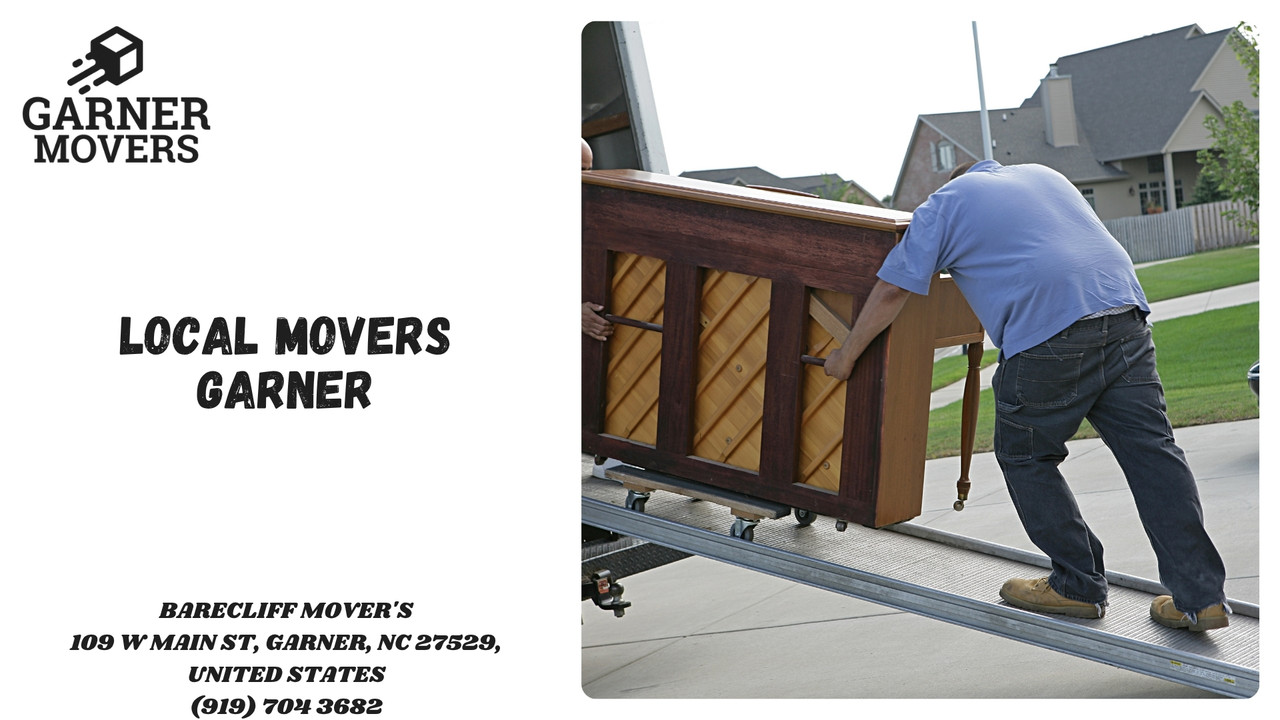
A useful estimate should be based on accurate information about what you plan to move and the services you need. Provide a complete inventory, including items stored in garages, attics, sheds, and closets. Mention bulky or fragile belongings, such as pianos, large mirrors, antiques, exercise equipment, or artwork.
Ask whether the estimate is binding, nonbinding, or another type of estimate under the terms that apply to your move. Confirm what could change the final price, such as adding items, changing the destination, requesting extra packing, or encountering access conditions that were not disclosed. Keep a copy of the estimate, inventory, order for service, and bill of lading.
When comparing estimates, make sure each company is pricing the same inventory and comparable services. A lower quote may not include packing materials, special handling, storage, or other services that another estimate includes.

Build a Realistic Moving Budget
Moving costs can extend beyond the mover’s transportation charge. Plan for the full transition, including expenses at both ends of the journey. A budget can help you decide which services to handle yourself and where professional help is worth the cost.

- Moving services: Transportation, packing, unpacking, and any special handling.
- Travel: Fuel, airfare, lodging, meals, and local transportation.
- Supplies: Boxes, packing paper, tape, labels, and protective materials.
- Home logistics: Deposits, utility setup, cleaning, and temporary storage if needed.
- Time away from work: Consider whether the move requires leave or schedule changes.
- Contingency funds: Set aside a reasonable buffer for unexpected changes.
Track quotes, receipts, and payments in one place. If your move is connected to a job transfer or another formal arrangement, check with the responsible organization about any reimbursement rules garnermovers.com Local movers Garner before making assumptions about eligible expenses.
Declutter Before You Pack
Moving fewer belongings can reduce packing effort and may affect the cost of a move. Before packing, sort items into groups: keep, donate, sell, recycle, and discard. Work one room at a time so the process stays manageable.
Be realistic about what you use and what will fit comfortably in your next home. Check donation organizations’ acceptance policies before dropping off furniture or household goods. Dispose of batteries, paint, chemicals, and other restricted materials according to local guidance rather than placing them in ordinary moving cartons.
Pack for Protection and Easy Unpacking
Good packing protects your belongings and makes it easier to find what you need after arrival. If you are packing yourself, use sturdy cartons suited to the weight of their contents. Put heavier items in smaller boxes and lighter items in larger ones. Fill empty spaces so belongings do not shift, but avoid overfilling boxes or making them difficult to lift.
Label boxes clearly
Write the destination room and a short description of the contents on each box. Mark fragile items clearly, but do not rely on labels alone to protect them. Keep a simple inventory or number each box and record its contents in a separate list. This can make it easier to notice if something is missing.
Protect special items
Ask your mover how they handle unusually valuable, fragile, or oversized items. Photograph valuable belongings before the move and keep appraisals or purchase records where available. If you are packing electronics, save cables with their devices and follow manufacturer guidance for preparing equipment. Back up important digital files before disconnecting computers and storage devices.
Confirm what cannot be packed
Moving companies commonly restrict certain hazardous or perishable items, and rules can vary. Ask for the mover’s current list before packing. Keep medication, identification, financial records, keys, jewelry, and other essential personal items with you rather than placing them in the moving shipment.
Plan for Pets, Children, and Household Essentials
Moving day can be busy, noisy, and unpredictable. If possible, arrange care for children or pets during loading and unloading. If they will be present, set aside a quiet, secure space away from open doors and moving equipment.
Prepare an essentials bag or box for the first few days. Include items such as toiletries, a change of clothes, chargers, basic cleaning supplies, snacks, water, a small first-aid kit, bedding, and any documents you may need immediately. For pets, pack food, bowls, leads, medication, and familiar comfort items separately.
Coordinate Access at Both Homes
Access details can affect the time and equipment required for a move. Tell your mover about stairs, narrow hallways, elevators, parking restrictions, gated entrances, loading zones, and any distance between the truck and your door. If either home is in a community with move-in rules, reserve elevators or loading areas and confirm the permitted hours.
At the destination, make sure someone can provide access and direct the crew. If you will not arrive before the shipment, discuss in advance who is authorized to receive it and what documentation may be required. Keep your phone charged and available for time-sensitive coordination.
Prepare for Moving Day
The day before the move, confirm the crew’s expected arrival window, the address, parking arrangements, and the best phone number for reaching you. Finish packing except for items you need overnight. Set aside cleaning supplies and keep the essentials you are transporting yourself in a clearly separate area.
When the crew arrives, walk through the home together and point out items that need special attention. Review the inventory and paperwork, and keep copies of all signed documents. Before leaving, check closets, cabinets, storage spaces, and outdoor areas. Take photos of the home if useful for your own records or any move-out requirements.
Keep Records and Know How to Raise a Concern
Keep all moving documents together, including the estimate, inventory, contract, receipts, and communications about changes to the plan. When your shipment arrives, compare the delivered items with the inventory and note visible damage or missing pieces on the appropriate delivery paperwork before signing, following the mover’s process.
If you discover a problem, contact the mover promptly and follow the written claims process. Take clear photos, save packaging when practical, and keep copies of messages and receipts. Rules and deadlines can vary by move type and contract, so rely on your documents and the relevant official guidance rather than assuming a particular deadline or remedy applies.
Settle Into Your New Home
Once the shipment arrives, check that boxes are placed in their labeled rooms. Open the essentials box first, then prioritize beds, basic kitchen items, bathroom supplies, and anything needed for work or school. Unpack one room at a time and break down cartons as you go to keep walkways clear.
Check that utilities and internet service are working, locate the main water and electrical shutoffs if appropriate, and update your address with banks, employers, insurers, subscription services, and government agencies as needed. Give yourself time to adjust; unpacking does not need to happen all at once.
Common Long-Distance Moving Mistakes to Avoid
- Waiting too long to book: Limited availability can make it harder to find a suitable date.
- Underestimating the shipment: An incomplete inventory can create confusion and cost changes.
- Choosing on price alone: Compare service details, written terms, and communication as well as cost.
- Packing without a system: Unlabeled boxes make unloading and unpacking slower.
- Putting essentials in the shipment: Keep critical documents, medication, and valuables with you.
- Ignoring access restrictions: Parking, stairs, elevators, and building rules should be discussed early.
- Failing to read paperwork: Understand the estimate, inventory, and contract before signing.
A Simple Checklist for Your Garner Move
- Set a moving date and create a flexible timeline.
- Declutter and prepare a thorough household inventory.
- Compare written estimates and verify mover credentials.
- Confirm services, dates, payment terms, and delivery expectations in writing.
- Arrange utilities, address updates, building access, and travel plans.
- Pack and label boxes, keeping essentials and valuables with you.
- Document the condition of important belongings and retain moving paperwork.
- Check the shipment and follow the mover’s process if an issue arises.
Make Your Long-Distance Move More Manageable
A long-distance move from or to Garner does not have to be chaotic. Start early, compare movers carefully, understand the paperwork, and give every stage of the move a clear plan. When you know what is included, what you need to handle yourself, and where your essential items are, the transition becomes easier to manage.
The most useful moving plan is the one tailored to your household. Use this guide as a foundation, confirm details directly with your chosen mover, and keep important decisions and agreements in writing. With preparation and realistic expectations, you can focus less on logistics and more on settling into your next home.
Contact Us:
Barecliff Mover's
109 W Main St, Garner, NC 27529, United States
(919) 704-3682